Introduction
Ventilator assistance is a critical aspect of contemporary medicine, especially in intensive care units (ICUs) where patients with breathing failure typically require support. As a new specialist, recognizing the concepts and practices of ventilator support can substantially impact person outcomes. This thorough guide-- Ventilator Support 101: Every Little Thing You Required to Referred To As a Brand-new Practitioner-- aims to equip you with important understanding and abilities that will boost your medical practice.
What is Ventilator Support?
Ventilator assistance describes making use of mechanical tools to help or replace spontaneous breathing in clients experiencing breathing distress or failure. It plays an essential role in giving oxygen and eliminating carbon dioxide from the bloodstream when people can refrain so effectively on their own.
How Does Air flow Work?
In essence, ventilators function by supplying controlled breaths to the individual. The key modes of ventilation consist of:
- Assist-Control (AIR CONDITIONER): The ventilator supplies a preset quantity or stress with each breath while allowing patients to initiate additional breaths. Synchronized Periodic Mandatory Ventilation (SIMV): This mode offers obligatory breaths at established periods, allowing for spontaneous breathing in between. Pressure Support Ventilation (PSV): The ventilator aids with each breath taken by the individual, offering a preset level of stress however permitting the individual to manage the timing and frequency.
Why Is Ventilator Assistance Necessary?
Ventilator assistance becomes important when individuals show problems such as:
- Acute Respiratory system Distress Syndrome (ARDS) Chronic Obstructive Lung Condition (COPD) exacerbations Pneumonia Neuromuscular disorders affecting respiratory system muscles
Understanding these problems will certainly become part of your crucial training in any kind of fundamental ventilator course.
The Relevance of Education in Air Flow Training
Basic Ventilator Program Overview
For new experts, enrolling in a basic ventilator course is indispensable. Such training courses normally cover:
Anatomy and physiology of the respiratory system. Indications for mechanical ventilation. Types and modes of ventilation. Monitoring and troubleshooting ventilators.Completing this foundational education equips you with crucial abilities essential for efficient respiratory tract management and ventilation.
Ventilation Training Training courses: What to Expect
When joining ventilation training courses, you can anticipate hands-on experience combined with academic knowledge. These courses usually include:
- Simulation-based learning Case studies Group discussions
This complex approach ensures that participants are well-prepared for real-world circumstances including ventilator management.
Practical Abilities Needed for Effective Airway Management
Airway Management Techniques
Effective air passage monitoring is essential for effective ventilator support. Key techniques include:
Endotracheal intubation Supraglottic air passage placement Tracheostomy careEach method has actually specific indicators based on person requirements, and effectiveness is important for experts involved in ventilation training for nurses.
Monitoring Patients on Mechanical Ventilation
Monitoring is critical once a client is put on a ventilator. Trick criteria include:
|Specification|Typical Array|Value|| --------------------------|-----------------------|------------------------------------|| Tidal Volume|6-- 8 mL/kg|Appropriate lung expansion|| Respiratory Rate|12-- 20 breaths/minute|Indicates person's effort|| FiO2|21% - 100%|Oxygen focus delivered|| Peak Inspiratory Pressure|<< 30 cm H2O|Steps respiratory tract resistance|</p>
Regularly assessing these specifications allows experts to adjust setups accordingly and avoid complications.
Advanced Ideas in Ventilator Support
Understanding Settings of Mechanical Ventilation
Different settings give flexibility based on specific client needs:
Assist-Control (AC)
Patients get full assistance however might also start breaths without shedding assistance.
Synchronized Recurring Mandatory Ventilation (SIMV)
This mode advertises spontaneous breathing while making certain minimum required breaths are delivered.
Pressure Control Mode
The pressure limitation is determined, enabling variable tidal quantities based on lung compliance.
Mechanical vs Non-Invasive Ventilation
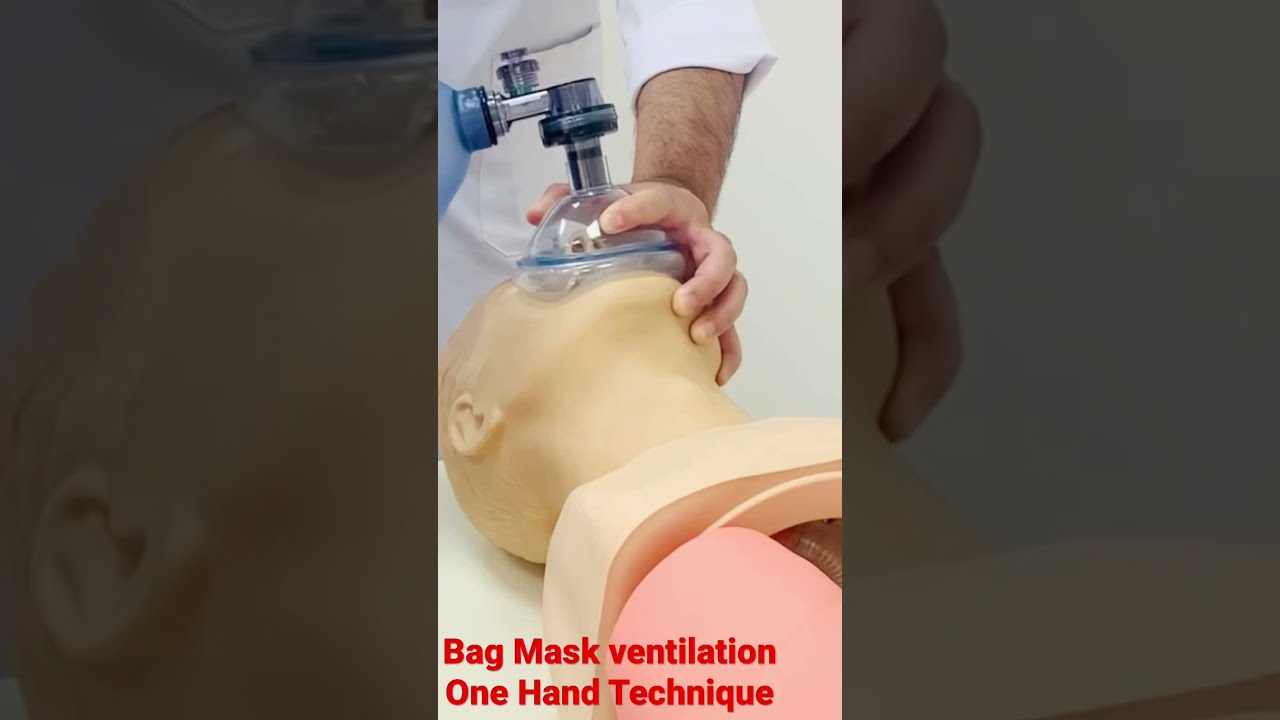
Mechanical air flow involves intubation, whereas non-invasive techniques make use of masks or nasal cannulas. Understanding both options aids professionals choose proper treatments based upon clinical scenarios.
Ventilator Setups: A Deep Dive into Parameters
Tidal Quantity Settings
Tidal quantity settings need to be individualized, commonly calculated at around 6-- 8 mL/kg of excellent body weight.

PEEP: Favorable End Expiratory Pressure
PEEP helps preserve alveolar inflation at end-expiration, protecting against atelectasis however must be stabilized versus hemodynamics.
Complications Associated with Mechanical Ventilation
Potential Risks Associated with Ventilator Use
While lifesaving, mechanical ventilation features risks consisting of:
Barotrauma Ventilator-associated pneumonia (VAP) Muscle weaknessBeing knowledgeable about these problems enhances your capability to carry out preventive measures during training sessions focused on tracheostomy and ventilator training methods.
Addressing Common Frequently asked questions concerning Ventilator Support
FAQ 1: What Need to I Do If My Person Is Not Enduring the Ventilatory Settings?
If your patient shows signs of pain or poor oxygenation despite adjustments, consider reassessing their condition or getting in touch with an intensivist for additional analysis.
FAQ 2: How Often Need To I Inspect My Person's Sedation Level?
Continuous monitoring is crucial; check sedation degrees every couple of hours or more frequently if there are adjustments in physiology or ndis ventilation course actions recommending discomfort or agitation.
FAQ 3: When Should I Consider Weaning My Person off the Ventilator?
Weaning should start when clients display steady respiratory condition without excessive job breathing; indicators include enhanced blood gas outcomes and readiness to extubate safely.
FAQ 4: Is Specialized Training Required for NDIS Patients?
Yes! Taking part in an NDIS ventilation training course prepares experts ventilation training specifically to handle patients needing specialized care due to disabilities.
FAQ 5: Just how Can I Ideal Stop VAP Throughout Mechanical Ventilation?
Implement strict dental hygiene procedures in addition to elevating the head of the bed at least 30 degrees whenever feasible to decrease ambition risk effectively.
FAQ 6: What Resources Are Readily Available for Recurring Learning?
Numerous resources exist consisting of on-line platforms using training courses like NDIS ventilation training programs concentrated on boosting your skills continually via functional scenarios.
Conclusion
In verdict, coming to be skilled in ventilator support calls for dedication and continuous education as encompassed within this guide-- Ventilator Support 101: Everything You Required to Referred To As a Brand-new Practitioner-- to make certain optimal treatment distribution for seriously unwell people needing mechanical assistance for respiration. Through fundamental expertise acquired from training courses paired with functional experiences gotten during medical method, you will certainly establish self-confidence not just managing complicated cases yet likewise influencing positive outcomes across numerous health care setups effectively!
This extensive guide works as both referral product during your initial years functioning within important care environments while preparing you properly towards future obstacles dealt with throughout your clinical job journey!